
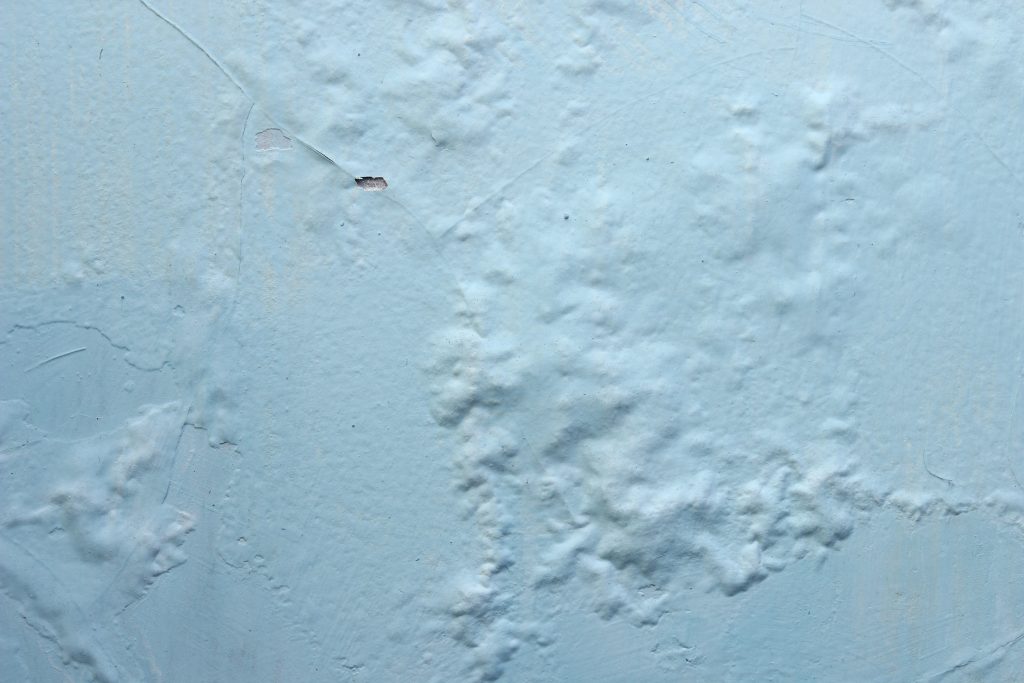
Damp | Paint Failure | Coastal Painting Advice
Why Paint Peels, Bubbles and Blisters on Walls in Somerset West and Coastal Areas
Peeling, bubbling and blistering paint is one of the most common complaints from homeowners in Somerset West, Strand, Gordon’s Bay, the Cape Winelands, Overberg and False Bay. The problem is rarely “bad paint” only. In most cases, paint failure is a warning sign that damp, salt, weak plaster, poor preparation or the wrong coating system was ignored before painting started.
Paint Failure Is Usually a Symptom, Not the Real Problem
When paint peels, bubbles or blisters, the visible damage is normally the last stage of a hidden problem. Moisture may be moving through the wall. Salt may be drawing water into the plaster. Old paint may not have been cleaned or stabilised properly. The wall may have been painted too soon after rain, plastering or damp repairs. The wrong primer may have been used, or no primer at all.
In coastal and semi-coastal areas, these problems happen faster because buildings deal with salt air, high UV, winter rain, wind-driven moisture, damp boundary walls, older plaster, shaded rooms and rapid weather changes. That is why Painters Somerset West always recommends a proper inspection before repainting failed walls.
The Most Common Reasons Paint Peels, Bubbles or Blisters
The same paint failure can have several different causes. A bubble on a bedroom wall, peeling paint on a boundary wall and blistering paint on a sea-facing exterior wall may look similar, but they often need different preparation and repair methods.
1. Damp Behind the Paint
Damp is one of the biggest causes of paint bubbling and blistering. When moisture moves through a wall, it pushes against the paint film from behind. The paint loses adhesion, lifts from the surface and eventually peels or flakes away.
2. Salt Contamination
Salt is common near the coast and in damp walls. It attracts moisture, damages plaster and weakens paint adhesion. White powdery marks, known as efflorescence, often appear before the paint starts lifting.
3. Poor Surface Preparation
Paint will not last on dirty, dusty, chalky, damp, oily, loose or unstable surfaces. If old flaking paint is not removed and chalking paint is not stabilised, the new paint bonds to a weak layer instead of the wall.
4. Wrong Primer or No Primer
New plaster, repaired areas, chalky walls, stained walls, metalwork and damp-repaired surfaces often need specific primers. Skipping primer can cause patchy absorption, weak adhesion and early coating failure.
5. Painting Over Wet or Uncured Surfaces
Walls need to be dry and stable before painting. Painting too soon after plastering, pressure washing, heavy rain or damp repairs can trap moisture under the coating and lead to blistering.
6. Wrong Paint for the Exposure
A sheltered interior wall, sea-facing exterior wall, damp bathroom, boundary wall, roof edge and coastal plaster surface do not all need the same paint. Wrong product choice often causes early failure.
Why Coastal Areas Make Paint Failure Worse
Homes in Strand, Gordon’s Bay, Hermanus, Kleinmond, Betty’s Bay, Pringle Bay, Rooi Els and False Bay are exposed to salt air, wind-driven moisture, bright UV, winter rain and faster surface wear. Salt settles on walls, roofs, railings, timber, parapets and boundary walls. If surfaces are not washed and prepared correctly, new paint may fail much sooner than expected.
Inland areas can also have damp issues. Somerset West, Stellenbosch, Franschhoek and parts of the Cape Winelands often have shaded walls, irrigation moisture, retaining walls, older plaster, valley damp and seasonal rain. False Bay adds another layer with heritage buildings, sea air, old lime plaster, mountain shade and damp valleys.
What Different Paint Failures Usually Mean
Bubbling Paint
Bubbling usually means the paint film has lifted from the wall. Common causes include moisture, heat, poor adhesion, painting over a dirty surface or using the wrong coating over an existing paint layer.
Peeling Paint
Peeling paint means adhesion has failed. The cause may be damp, old unstable coatings, poor preparation, missed primer, chalking, salts, water leaks or repeated expansion and contraction.
Blistering Paint
Blistering is often linked to trapped moisture or heat. On exterior walls, it can appear after rain, direct sun exposure, damp movement or painting when the wall was not dry enough.
Flaking Paint
Flaking usually follows peeling or blistering. The paint becomes brittle, breaks away and exposes weak plaster, old paint layers or damp-damaged surfaces underneath.
White Powder on Walls
White powder is often efflorescence. It means moisture is moving through the wall and bringing salts to the surface. Painting over it without treatment usually leads to failure.
Black Mould Marks
Black mould is usually linked to moisture, condensation, poor ventilation or damp. It must be treated before repainting, but ventilation and moisture causes also need attention.
Can You Paint Over Peeling or Bubbling Paint?
You can repaint a failed wall, but only after the cause has been addressed and the surface has been properly prepared. Painting directly over peeling, bubbling or blistering paint is a shortcut that usually fails again. The new paint bonds to the weak layer underneath, not to a stable surface.
The correct process usually involves scraping or removing loose paint, sanding edges, washing or treating the surface, identifying damp or salt problems, repairing cracks or plaster, applying the correct primer and then using a coating system suited to the wall and environment.
How Painters Somerset West Diagnoses Paint Failure
We do not treat all peeling paint the same way. Before recommending repainting, we look at the location, exposure, surface condition and likely cause of failure.
We check whether damp may be coming from the ground, roof, cracks, parapets, retaining walls, bathrooms, kitchens, poor ventilation or exterior exposure.
We look for loose paint, chalking, hollow plaster, powdering, cracks, weak repairs, flaking layers and poor previous preparation.
We check for white salt deposits, coastal salt contamination and moisture movement through plaster or masonry.
We specify primers, breathable coatings, exterior coatings, stain blockers or moisture-tolerant systems according to the actual surface and exposure.
When Damp Proofing Is Needed Before Painting
Damp proofing may be needed when peeling or bubbling paint is linked to rising damp, penetrating damp, salt damp, lateral damp, mould, boundary wall moisture, retaining walls, leaking parapets, failed waterproofing or roof-related moisture. In these cases, paint is not the repair. Paint is only the final finish after the moisture problem has been treated.
See our Damp Proofing Somerset West service if the wall has repeated bubbling, mould, salt marks, low-level stains, peeling near skirting boards, damp patches after rain or paint failure that keeps returning.
Internal Painting Links That May Help
Peeling and bubbling paint can affect different parts of the property. These related services explain the correct approach for each area.
Interior Walls
Exterior Walls
Roof-Related Damp
Commercial Buildings
Areas Where Paint Failure Is Common
We regularly see peeling, bubbling and blistering paint across coastal, winelands and mountain-influenced areas. The cause changes by suburb and climate.
Helderberg
Paint failure in Somerset West, Strand and Gordon’s Bay is often linked to sun, wind, coastal moisture, irrigation, boundary walls and salt exposure.
Cape Winelands
In Stellenbosch, Paarl and Franschhoek, paint problems often involve older plaster, shaded walls, estate boundary walls, valley damp and seasonal rain.
Overberg
In Hermanus, Kleinmond, Betty’s Bay, Pringle Bay and Rooi Els, salt, rain, wind and exposed coastal walls are common causes.
False Bay
In False Bay, paint failure is often linked to salt air, old walls, lime plaster, sea-facing elevations, shaded valleys, damp cottages and coastal apartment blocks.
Need Help with Peeling, Bubbling or Blistering Paint?
Contact Painters Somerset West for a diagnostic inspection, written specification and preparation-first repainting quote. We serve Somerset West, Helderberg, Cape Winelands, Overberg, False Bay and surrounding coastal and winelands areas.
FAQs About Peeling, Bubbling and Blistering Paint
Why is my wall paint bubbling?
Bubbling paint usually means the paint film has lost adhesion. Common causes include damp behind the wall, painting over wet surfaces, poor preparation, heat, salt contamination, chalky paint or the wrong primer.
Can damp cause paint to peel?
Yes. Damp is one of the most common causes of peeling and blistering paint. Moisture pushes through the wall and breaks the bond between the coating and the surface.
Can I paint over peeling paint?
You should not paint directly over peeling paint. Loose paint must be removed, the cause of failure must be identified and the surface must be cleaned, repaired, primed and stabilised before repainting.
What causes exterior paint to blister?
Exterior paint can blister because of trapped moisture, painting in direct heat, salt contamination, poor preparation, damp walls, old unstable coatings or painting before the surface was dry enough.
What is the white powder under peeling paint?
White powder is often efflorescence, which is a salt deposit left behind when moisture moves through a wall and evaporates. The moisture source must be addressed before repainting.
How do you stop paint peeling from coming back?
The cause must be fixed first. That may include damp proofing, crack repairs, salt treatment, plaster repair, proper cleaning, stabilising chalky surfaces, applying the correct primer and using the right coating system.
Is peeling paint worse near the coast?
It can be. Coastal properties deal with salt air, wind, high UV and damp, all of which can shorten paint life if surfaces are not washed, prepared and coated correctly.